
Verbo to be
I. Llena el blanco con la conjugación correcta del verbo to be en inglés, usando el presente o pretérito.
Ejemplo: I ___ excited to see my friend. -> I am excited to see my friend.
- Dinner ___ on the table.
- It ___ seven in the morning.
- I ___ very tired today.
- My mother ___ calling me yesterday.
- Where ___ you from?
- When we ____ in Spain two weeks ago, we ate tapas.
- José ___ happy to see his wife when she arrived last week.
- We ___ in the office today.
- They ___ happy to see you.
- Parents ___ proud of their children.
- I ___ hoping that you would remember my birthday.
- Ana ___ upset that Carlos never came back to see her.
- The children ___ having fun playing in the backyard.
- After the party last night, they ___ very tired.
-
We ___ all great friends!
- is
- is
- am
- was
- are
- were
- was
- are
- are
- are
- was
- was
- are
- were
- are
II. Escoge la mejor contestación con la conjugación correcta del verboto be en inglés.
- Anne ____ happy to be home. [is/are]
- We ____ excited to see the play tonight. [was/are]
- Yesterday ___ my birthday. [is/was]
- How old ___ you? [am/are]
- ___ it raining outside? [Am/Is]
- When ___ the wedding going to be? [was/is]
- ___ you going to work out tonight? [Are/Am]
- Who ___ the actor from that movie? [is/are]
- How come we ___ not invited to last night’s dinner? [were/was]
-
They ___ leaving for the movies right now. [were/are]
- is
- are
- was
- are
- Is
- is
- Are
- is
- were
- are
III. Llena el blanco con la conjugación correcta del verbo to be en inglés usando el modo futuro.
- I ______ going to sleep in one hour.
- She ______ heading to NYU for college.
- They ______ traveling to the Grand Canyon.
- He ______ working over the summer.
- You ______ happy at your new job.
-
We ______ eating chicken for dinner.
- will be
- will be
- will be
- will be
- will be
- will be
PRESENTE SIMPLE
En este ejercicio deberás colocar el verbo que figura entre paréntesis en Presente Simple:

|

PRESENTE PROGRESIVO
Para que ejercites el Presente Continuo o Progresivo te ofrecemos las siguientes oraciones donde debes colocar la forma correcta del verbo To Be y del verbo principal:

|

CARDINAL NUMBERS
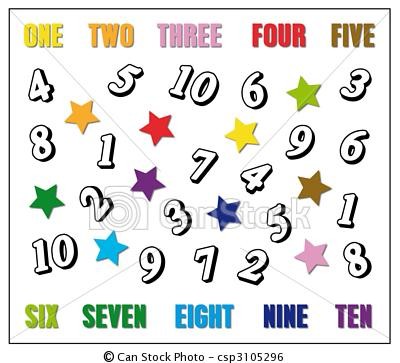
encontrar los numeros que estan repetidos en orden
ORDINAL NUMBERS
| Los numeros | English |
| 1st |
first |
| 2nd |
second |
| 3rd |
third |
| 4th |
fourth |
| 5th |
fifth |
| 6th |
sixth |
| 7th |
seventh |
| 8th |
eighth |
| 9th |
ninth |
| 10th |
tenth |
| 11th |
eleventh |
| 12th |
twelth |
| 13th |
thirteenth |
| 14th |
fourteenth |
| 15th |
fifteenth |
| 16th |
sixteenth |
| 17th |
seventeenth |
| 18th |
eighteenth |
| 19th |
nineteenth |
| 20th |
twentieth |
| 21st |
twenty-first |
| 22nd |
twenty-second |
| 30th |
thirtieth |
| 40th |
fortieth |
| 50th |
fiftieth |
| 60th |
sixtieth |
| 70th |
seventieth |
| 80th |
eightieth |
| 90th |
ninetieth |
| 100th |
hundredth |
| 101st |
hundred and first |
| 200th |
two hundredth |
| 1,000th |
thousandth |
| 10,000th |
ten thousandth |
| 100,000th |
hundred thousandth |
| 1,000,000th |
millionth www.curso-ingles.com/gramatica-inglesa/ordinales.php |
MONTHS OF THE YEAR
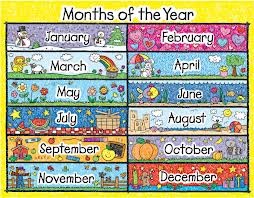
se trata de de enseñar a los niños los meses del año con algo alusivo a ese mes
DAILY ROUTINES
EXAMPLES:
Every day I get up at eight o´clock, I have a shower at quarter past eight. After this, I get dressed with my school uniform. I have breakfast at a half past eight. I go to school at quarter to nine; I go home at four o´clock in the afternoon. At half past five, I play in the park with my friends. I go to bed at nine o´clock.
Recuerda que para expresar rutinas y acciones que suceden usualmente se usa el tiempo “Presente simple”, los ejercicios de esta webquest están dirigidos a alumnos con un nivel básico, si quieren aprender más acerca del presente simple y sus usos y/o estructura; pueden consultar las siguientes paginas web abajo citadas en recursos.
Wake up Do the washing up
Have breakfast Have a rest
Have a shower Help the mother
Go to the toilet Have a sandwich
Get dressed Read a book
Comb the hair Do the homework
Brush the teeth Go out/go for a walk
Tidy the room Watch TV
Go to school Write on the diary
Do the cooking Go to bed
Have lunch Play in the park
Tarea:
.
1. Print and develop the following exercise for next class .
|
Directions: Answer the questions about yourself. |
|
||||||||||||||||||||||||||||||||||||||||||||||||||||||||||||||||||||||||
2. Develop the activities of “daily routines” in the following web page and print them for me.
https://www.englishexercise.org/makeagame/viewgame.asp?id=513
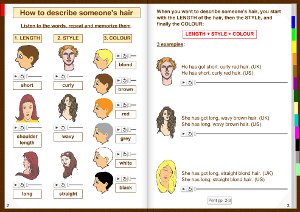

darle a los niños este abcedario para pintar y asi vallan reconociendo cada letra
